
The Peptide Path
Welcome — take a breath
You've heard about peptides.Let's understand them together.
No hype. No sales. No talking down to you. Just a calm, clear walk down the path — from zero — so you land somewhere that makes sense. You don't need a science degree. Just a few minutes.
70+
peptide profiles
10
health goals
0
vendor ties
What is a peptide?
A peptide is a short chain of amino acids. That's the whole definition. A handful of tiny building blocks linked together in a line.
You already know a longer example — a protein is a long chain of the same blocks. Think of amino acids as letters, a peptide as a short word, and a protein as a whole paragraph.
Amino acids — the building blocks
Amino acids are the most basic ingredients of life. Your body already makes and uses them constantly — to build tissue, run signals, keep you alive. They are not foreign or exotic.
When a peptide is called “natural,” that's the root: it's built from amino acids your body knows and uses.
The most important idea on this page
Many people picture peptides and think: “I'd be injecting some scary drug that'll blind me or paralyze my stomach.” That picture is wrong.
Your body doesn't run on solid objects being injected. It runs on signals. Scattered across your body are sensors (receptors) waiting for specific amino-acid messages. A peptide works by “activating” one of those sensors to get a specific, desired result — the way a key turns a lock: gentle, not violent.
It's not dropping something foreign into your body. It's touching something your body already has, with a message it already reads.
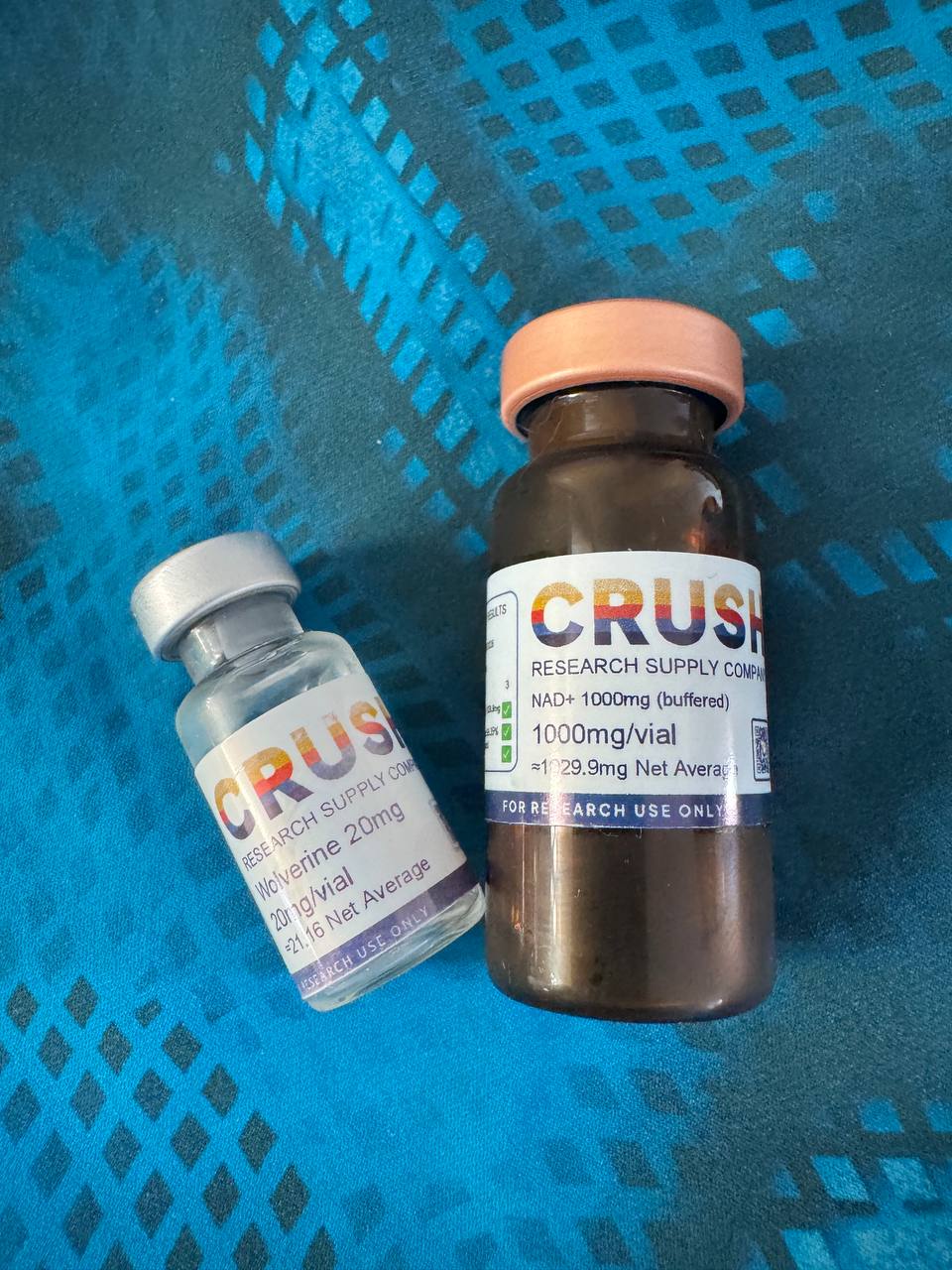
The example that makes it click: insulin
You probably know someone with diabetes who takes insulin — millions do. Insulin is a peptide.It's a chain of amino acids your own body makes to tell cells to absorb sugar.
Taking it isn't injecting a foreign chemical that does violence. It's giving your body more of a message it already knows — because its own supply isn't doing the job.
That's the same family as every peptide you'll learn here — natural amino-acid signals your body already understands. The difference is often just which sensor you're activating.
Why all the buzz? (This isn't new)
Peptides aren't new. Insulin has been used as medicine for nearly a century. What's new is the conversation around them — social media made once-obscure research compounds household words.
More options, but also more hype, more marketing, more people repeating things they don't understand. That gap — between the real science and the noise — is exactly why this site exists.
Intro done — here's the whole path
That was the opening walk — the short version. The site goes a lot deeper than the first page. Everything below is the rest of the path, so nothing gets missed.
Continue the full guided path →
The whole site taught as a course — foundations, reconstitution, sourcing — lesson by lesson, with your progress saved. This is where the deep dive lives.
See what's possible
Weight loss, recovery, longevity, focus, sleep — browse goals and discover which peptides map to each.
Explore possibilitiesLearn the library
Plain-language primers on the most-discussed peptides — what each is, how it works, what people report.
Browse peptidesUnderstand sourcing
Prescriptions, med spas, the gray market, and COAs — the plain truth behind how peptides get to you.
How sourcing worksMaster the math
Reconstitution without the headache. An intuitive explainer plus a calculator that does the work for you.
See how it worksMore on the path
Real science, real vials
Peptides arrive as freeze-dried powder you reconstitute yourself. Here's what that actually looks like — the kind of quality & testing we insist on.
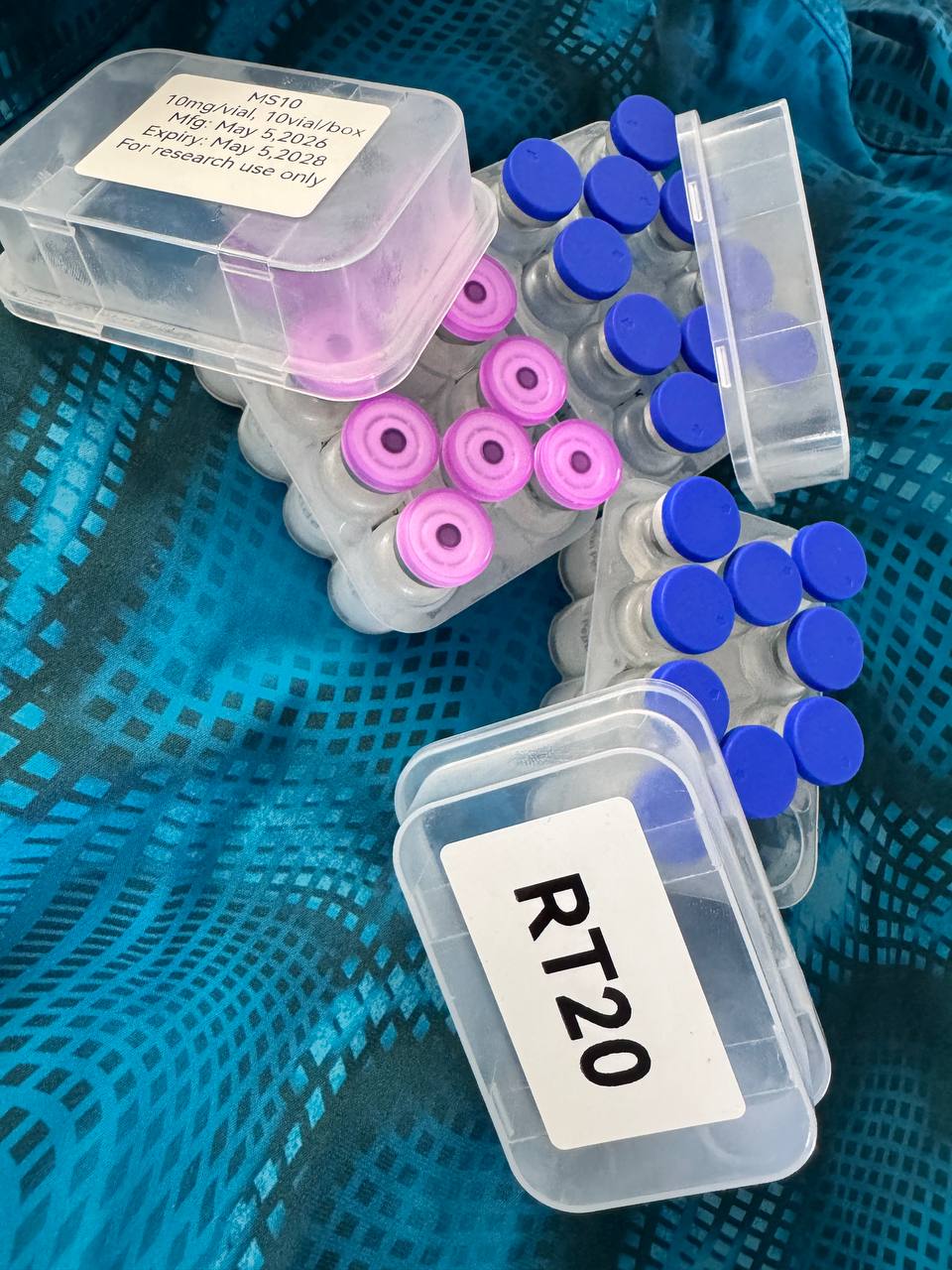
Real vials — your actual product
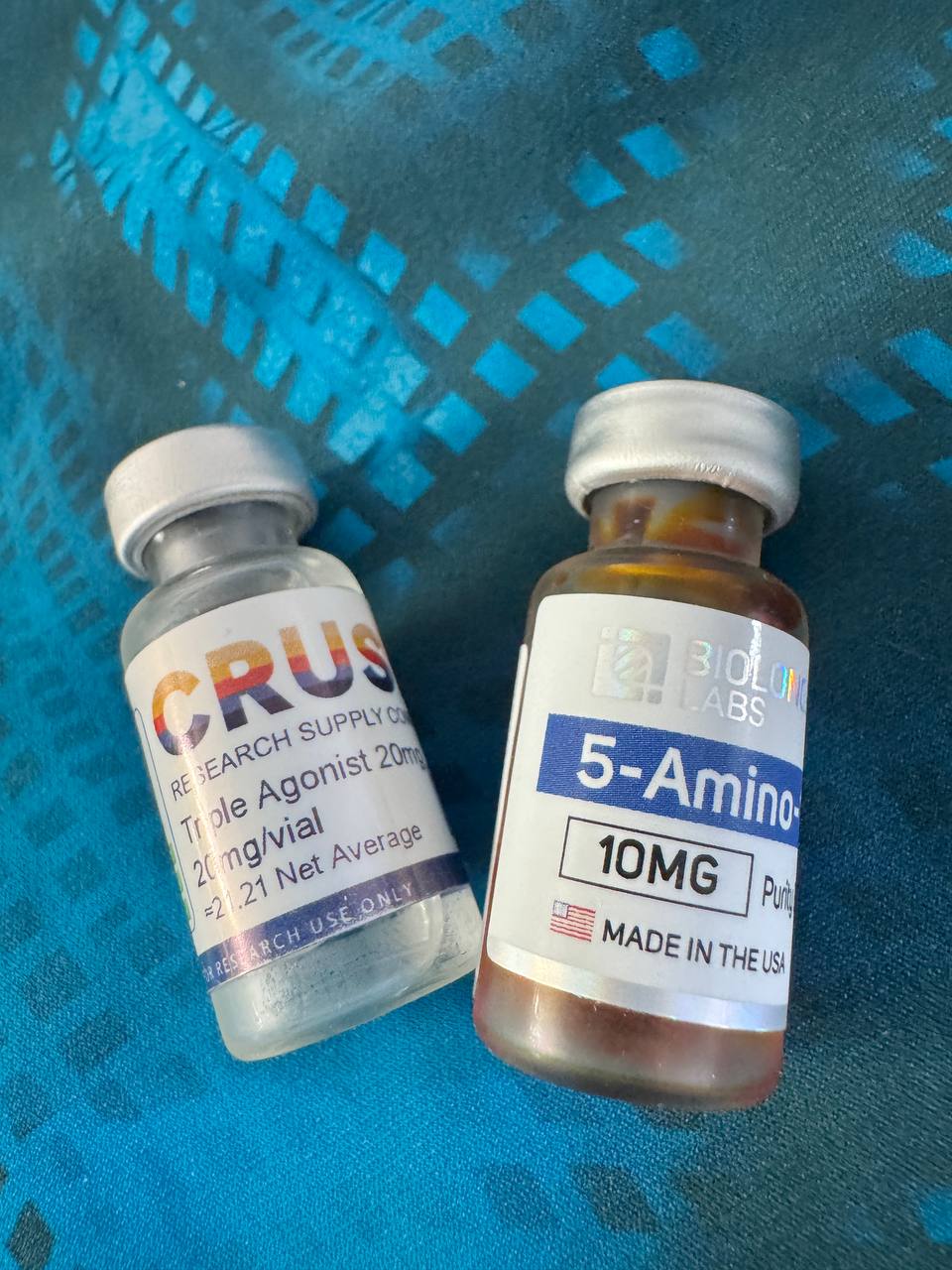
Research-grade, in hand
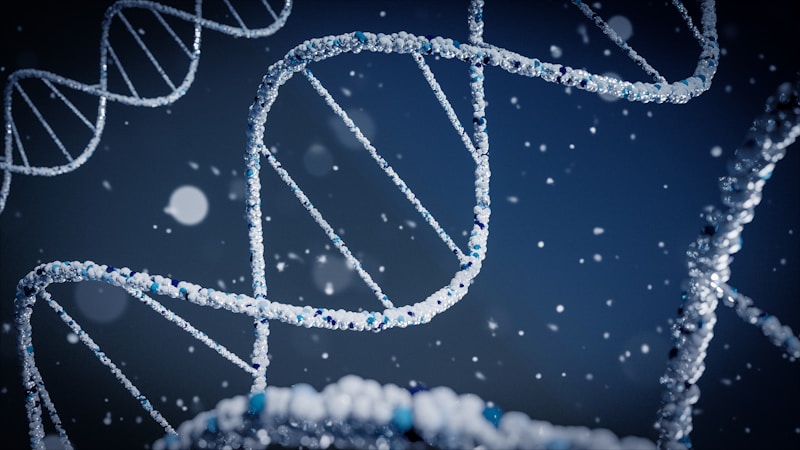
Amino-acid molecular structure
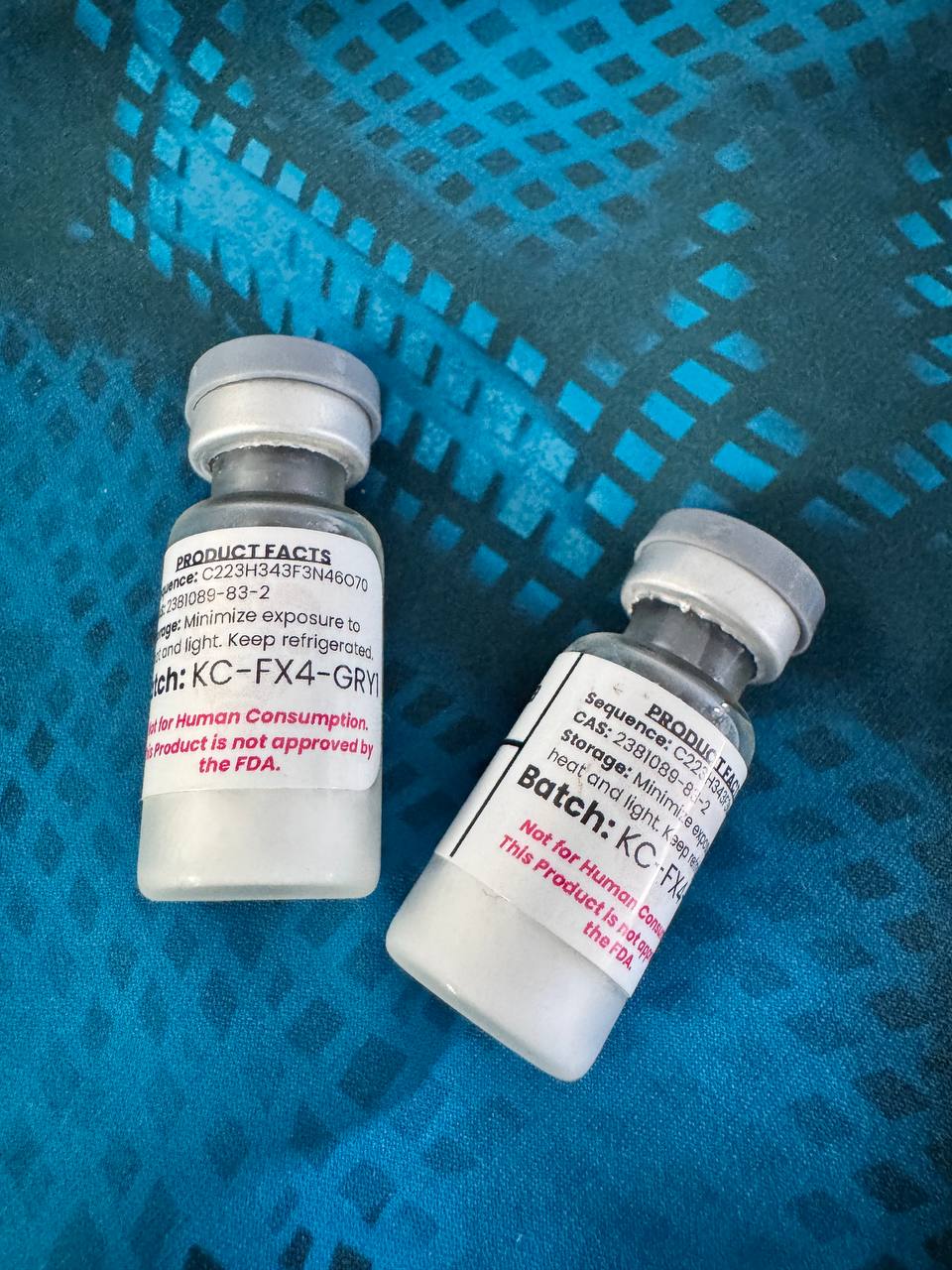
Labeled & batch-tracked vials
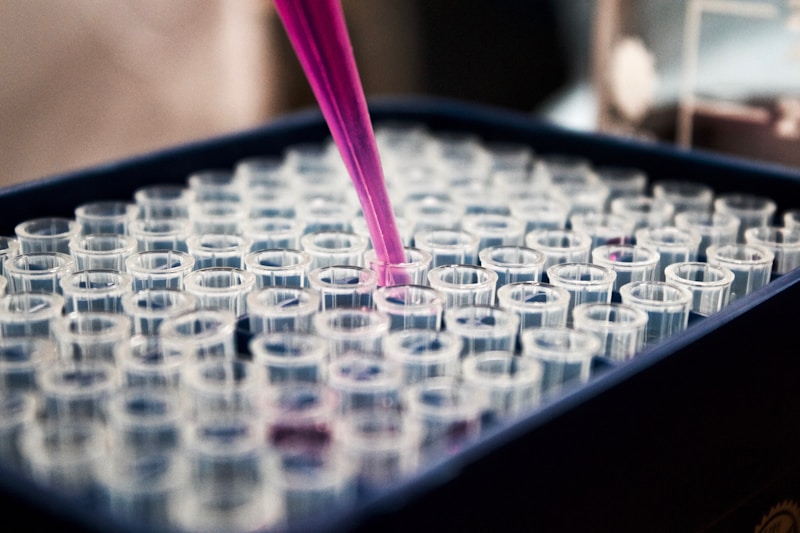
Laboratory purity testing
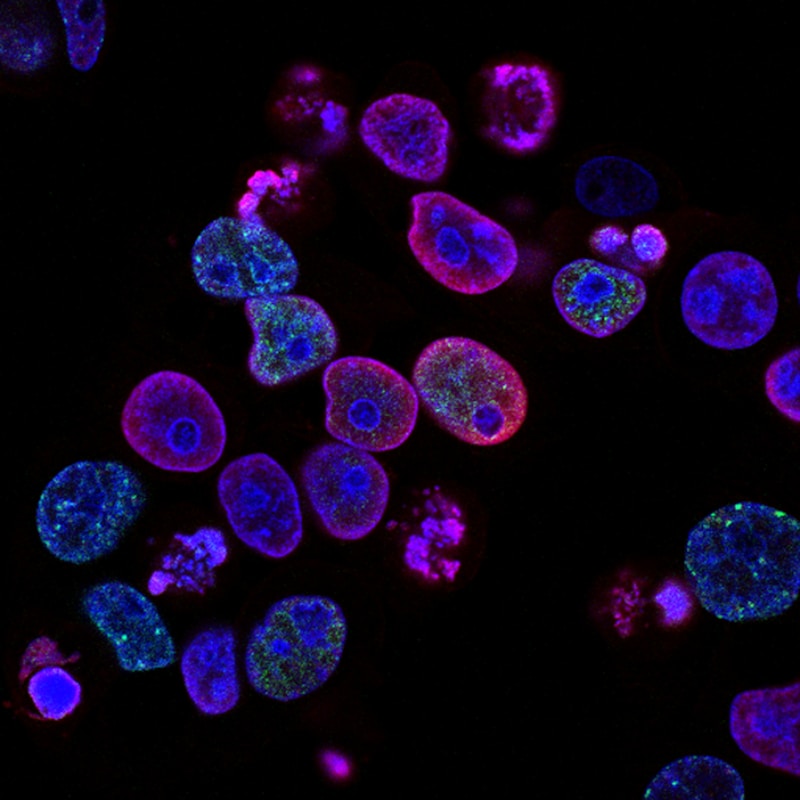
Microscopy — cellular-level analysis
Ready to understand what your body'smessages can really do?
Take the course. Learn the science. Then decide for yourself — calmly and clearly.